Nieuw Land / New Land

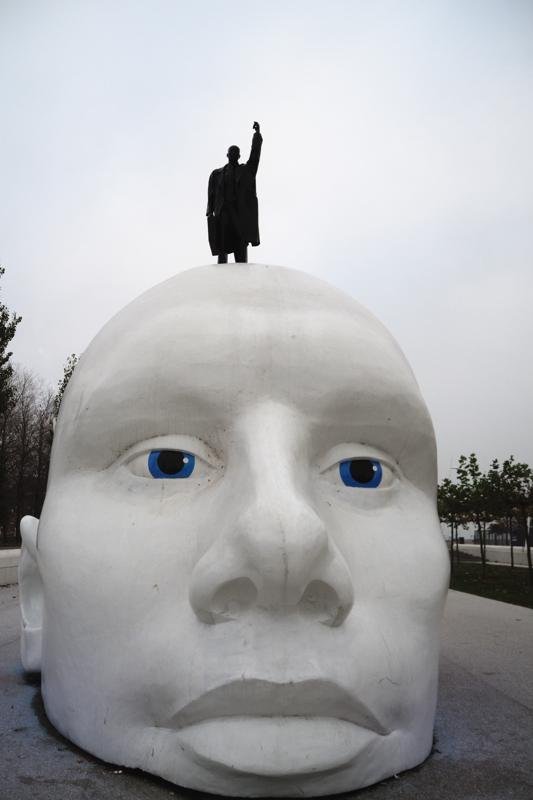
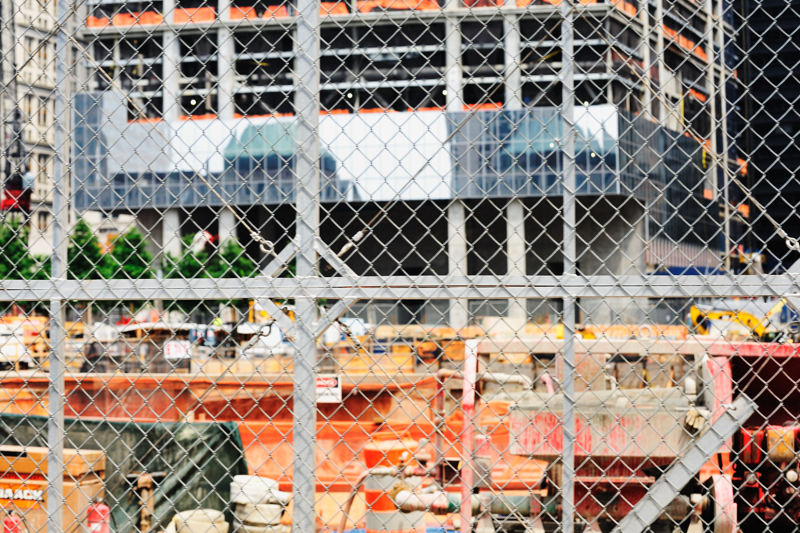
Een grijze zondag in Oostelijk Flevoland
één van de polders
uit de zee geschapen

lelystad

A gray sunday in Oostelijk Flevoland
one of the polders
created out of the sea

Boven water
de man staat met het water tot aan de lippen

Lelystad

Boven water / Above the water

Above the water:
the water comes to the man’s  lips

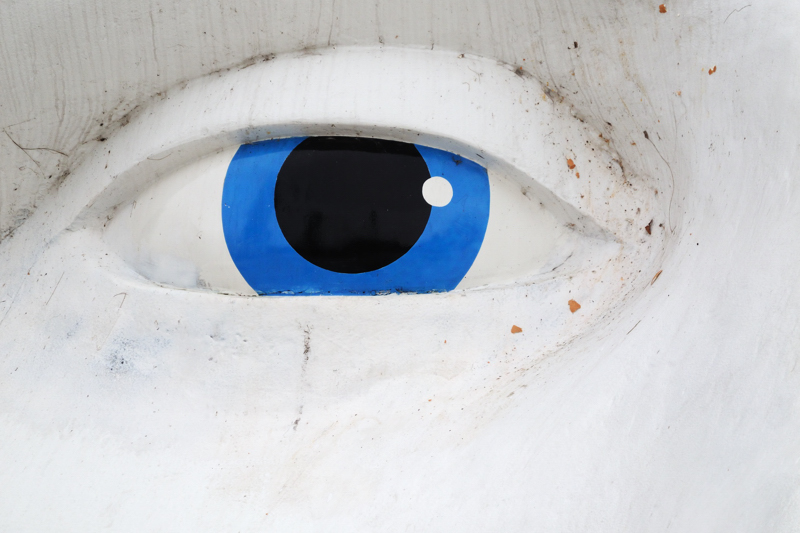
oog boven water / eye above the water

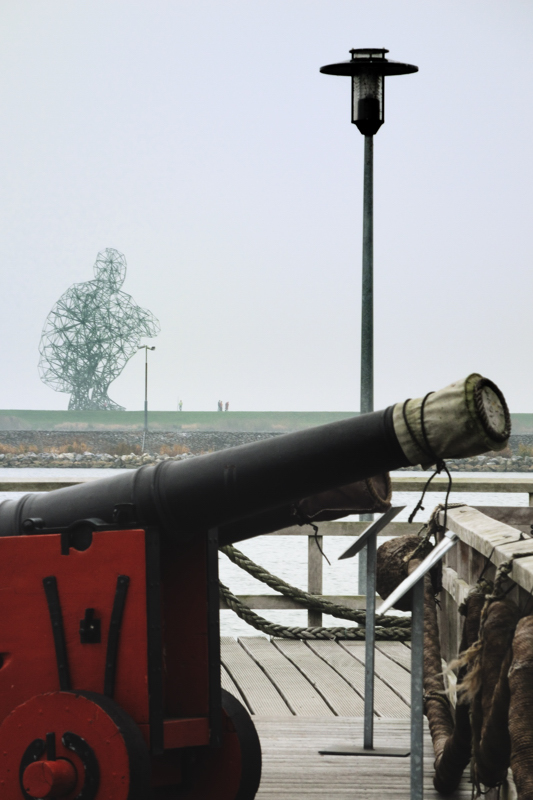
Exposure (2010):
Stalen sculptuur van de Britse kunstenaar Antony Gormley
Hij is gefascineerd  door de nieuwe polder en geïnspireerd door het maagdelijke landschap. Het bijzondere voor hem is iets te scheppen zonder verwijzing naar de geschiedenis van de locatie.

exposure by Antony Gormley

Exposure (2010)
Steel sculpture by the British artist Antony Gormley
He is fascinated by the new polder and inspired by the  virgin landscape. He tried to create something without reference to the history of the location.

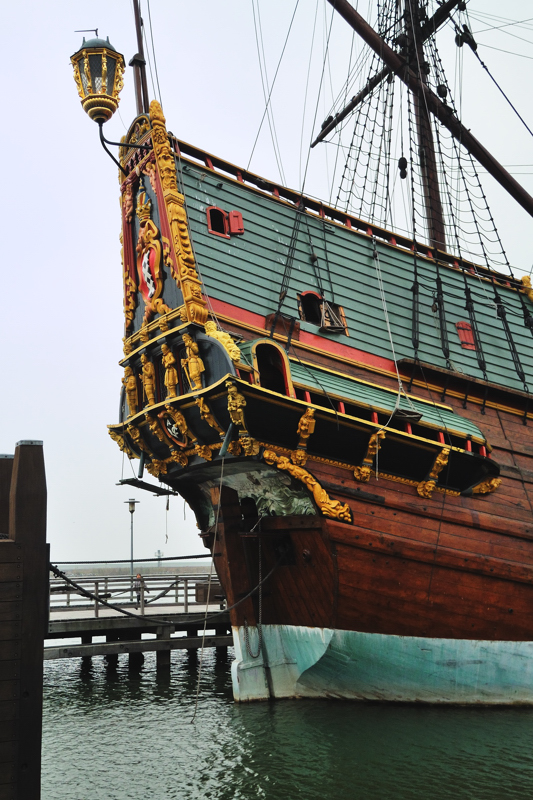
En naast al het nieuwe een replica van de Batavia, een VOC-schip uit 1628
Geschiedenis om trots op te zijn of je voor te schamen?

Batavia VOC schip

And next to all the new a replica of the Batavia, ship of the Dutch East India Company (VOC). A history to be proud or ashamed of?

Batavia Lelystad VOC schip

November

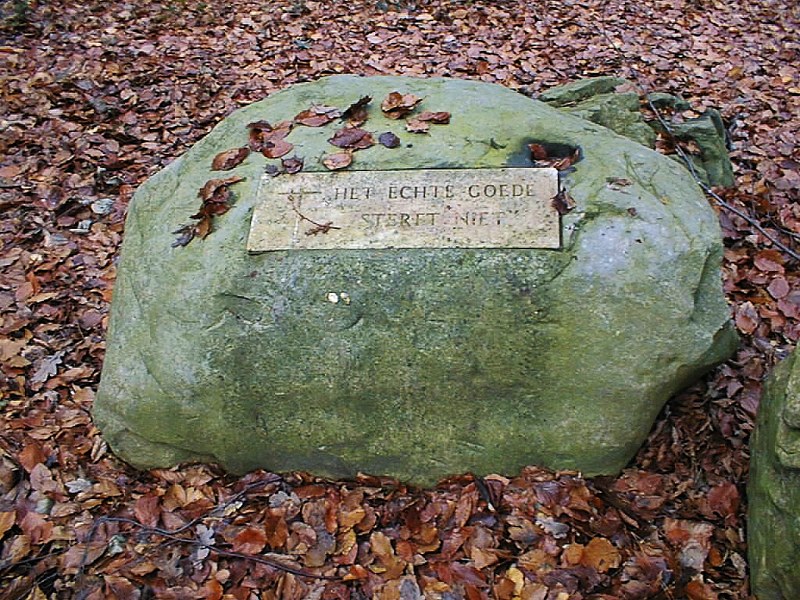
All really good things never die... on the former graveyard of GGNet

November is de maand van Allerheiligen en Allerzielen.
We gedenken wie ons zijn voorgegaan.

November is the month of All Saints and All Souls.
We remember all who lived before us.

Ze horen er nog bij, we zijn één gemeenschap.
They belong still to us, we’re one community.

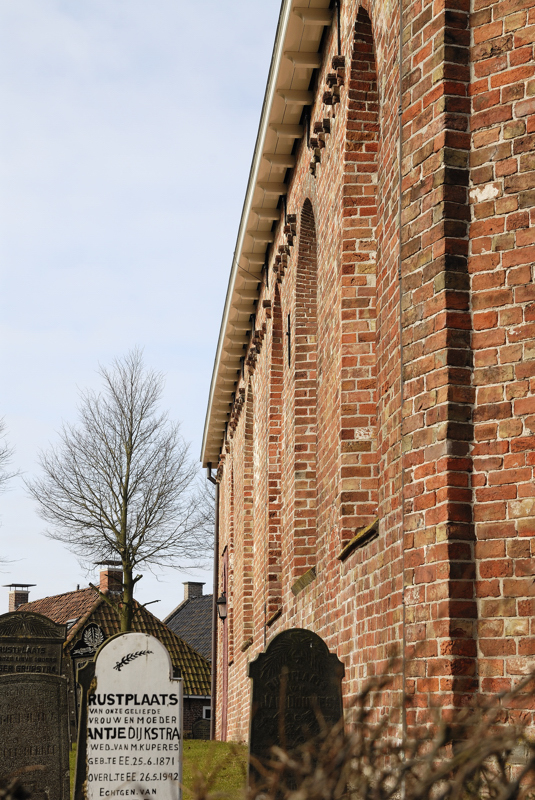
In EE( Friesland) people are buried in th e center of the village

De mensen van voor bij
we
noemen ze hier samen.
De mensen van voorbij
wij noemen ze bij namen.
Zo vlinderen zij binnen
in woorden en in zinnen
en zijn wij even bij elkaar
aan ‘t einde van het jaar.

De mensen van voorbij
zij blijven met ons leven.
De mensen van voorbij
ze zijn met ons verweven
in liefde, in verhalen,
die wij zo graag herhalen,
in bloemengeuren, in een lied
dat opklinkt uit verdriet.

EE (Friesland)

De mensen van voorbij
zij worden niet vergeten.
De mensen van voorbij
zijn in een ander weten.
Bij God mogen ze wonen,
daar waar geen pijn kan komen.
De mensen van voorbij
zijn in het licht, zijn vrij.

Hanna Lam ( 1928-1988)

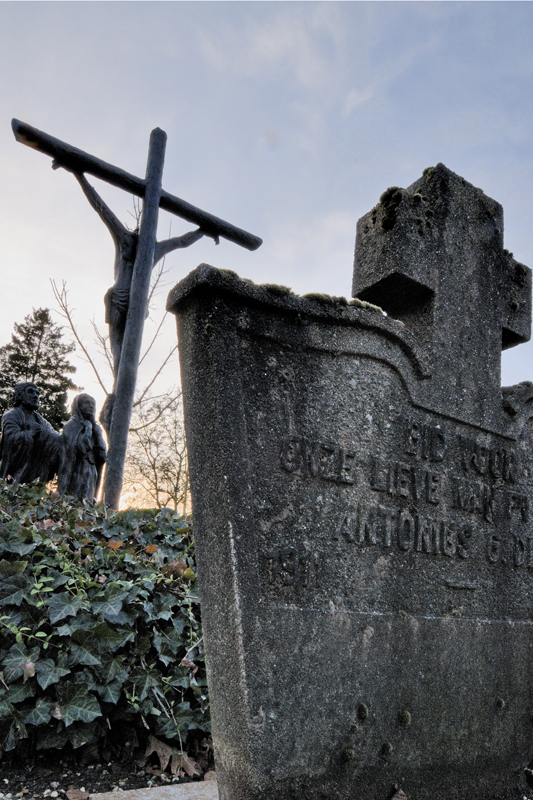
Scotland Kelso Abbye

Those of beyond
we name them here together
Those of beyond
we call them by their names
As a butterfly  they  enter
in words and meanings
And so we’re together at the end of the year.

Those of beyond
They share our lives forever
Those of beyond
are interwoven with our lives
in love, in tales
we like to tell again
in flower flagrances, in a song
born out of sorrow.

Graveyard Apeldoorn St Teresa's

Those of beyond
they’re not forgotten
Those of beyond
are in a different knowing
in God they can live
Where no one’s hurt
Those of beyond
are in the LIGHT
they’re free.
( Original Dutch text by Hanna Lam- personal translation  by Edith Klinkhamer)

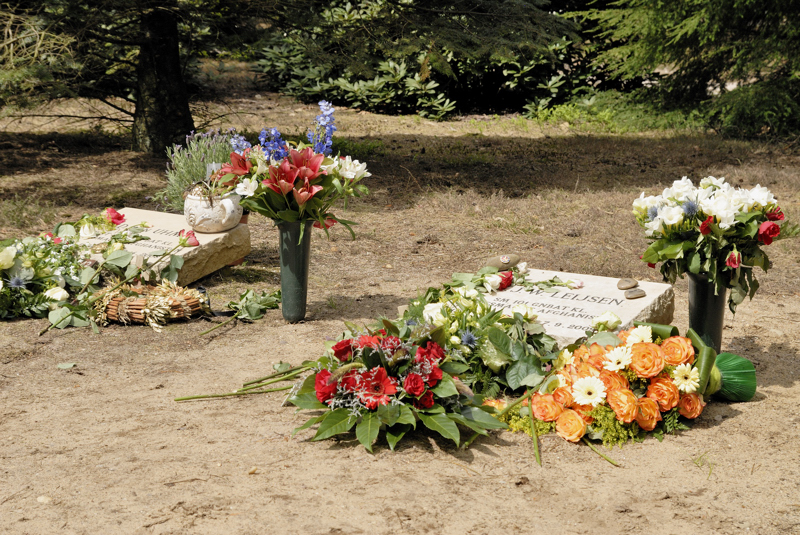
Graves of two young men died in Afghanistan

Nog steeds..herfst.. Autumn revisited

Waar schoonheid vergaat.. is schoonheid

As beauty goes by… there’s beauty

Het is prachtig weer. Het wordt kouder, maar de zon schijnt volop.
Toch nog een dag “Levenstuinen”.

The weather is magnificent. It’s getting colder, but the sun is shining abundantly.
Another day in the “Gardens of Life”

De Hortensia blijft mooi…

The Hortensia is still wonderful

Spel met het licht
Playing with light

met vormen
with shapes

en kleur
and color

Humanisering van de zorg… van zorgverlener naar zorgontvanger.. Humanization of Health Care: from caregiver to care recipient

for English: please, scroll down

Twee jaar geleden was ik met een groepje collega geestelijk verzorgers vanuit onze beroepsvereniging bezig met het organiseren van een ( internationale) conferentie over “Humanisering van de zorg”. Een thema dat wereldwijd leeft in de gezondheidszorg.

“Binnen de humanisering van de gezondheidszorg concentreren we ons op de zorgbetrekking, welke het hart is van zorgen en helen (caring and curing).
Humanisering is een belangrijke waarde en intentie; zij is niet slechts een middel maar ook een doel in zichzelf.
Zorg betreft wederzijdse en kwetsbare betrekkingen tussen mensen, te weten zorgverleners en zorgontvangers. Deze betrekkingen zijn wederkerig, èn tegelijkertijd asymmetrisch.
Humanisering van gezondheidszorg is de aanhoudende inspanning het fysieke, psychologische, sociale en spirituele welzijn binnen de zorgbetrekkingen te versterken.” (eerste statement van de conferentie)
Het gaat daarbij steeds om menselijke waardigheid. 

Grote woorden, die vragen om verdere doordenking. Maar ook om concretisering.

RGC GGNet - terrein Gelre Ziekenhuis Apeldoorn

In zekere zin waren ze al concreet in mijn dagelijkse werk als geestelijk verzorger in de psychiatrie. Aandacht voor de hele mens… je bent zoveel meer dan een ziektebeeld.  Aandacht voor eigenheid: wat heb juist jij nu nodig… Aandacht voor mijzelf : hoe kan ik mijn eigen kracht en kwetsbaarheid zo inbrengen dat het heilzaam is voor de ander en voor mezelf…
Wederkerigheid. Maar ook asymmetrie, ongelijkheid. Hoe betrokken ik ook was op het moment zelf – elke dag trok ik de deur van mijn werkkamer achter me dicht en ging weer naar huis. Hoe vaak heb ik dat wel niet gehoord: jij gaat straks naar huis. Ik moet hier blijven. En ik kon dat alleen maar be-amen.

De conferentie, die in maart 2010 in Rome werd gehouden, heb ik wel voorbereid, maar niet bijgewoond. Ik was ziek geworden. Veranderd van zorgverlener in zorgontvanger.
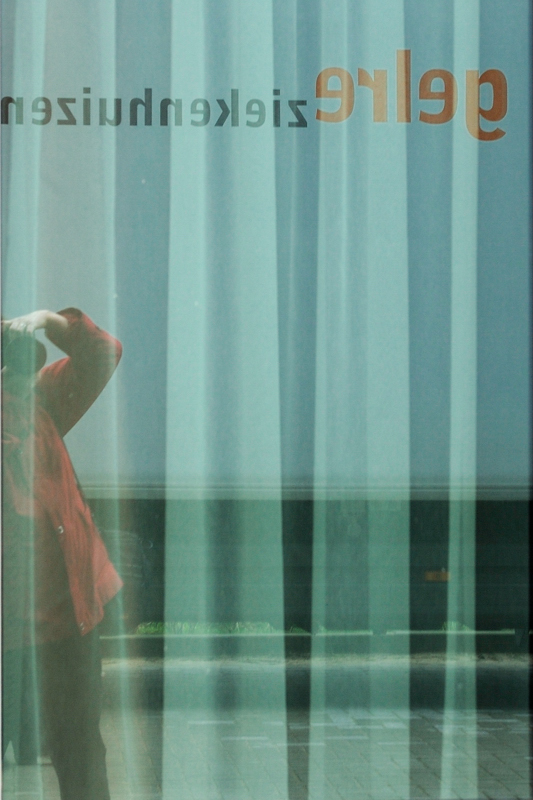
reflectie van mijzelf in een ziekenhuisraam... reflection of myself in a hospital window...

Sinds twee jaar mag ik de gezondheidszorg van de andere kant bekijken. Moet ik dat. Zorgontvanger. Patiënt. Tegelijkertijd – ik ben wie ik ben- reflecteer ik ook op wat ik meemaak. Hoe humaan heb ik de gezondheidszorg de afgelopen jaren ervaren? En waar zit ‘m dat dan in? Wat heeft nu echt bijgedragen aan  mijn welzijn?

Gelre ziekenhuis Apeldoorn

Een gevarieerde greep:

Een paar jaar geleden moest je bij een bezoek aan een specialist soms wel meer dan een uur in de wachtkamer doorbrengen. Ik heb nu de ervaring dat ik nauwelijks hoef te wachten en dat afspraken met verschillende afdelingen zoveel mogelijk op elkaar aansluiten.  Dat is nieuw, bewust beleid. En de betekenis gaat verder dan het praktische: ook mijn tijd is kostbaar, niet alleen die van de dokter. Er wordt rekening met me gehouden.

Gelre ziekenhuis Apeldoorn

Iemand die echt  even tijd heeft en echt betrokken is, echt luistert. Authentiek is. Waarbij je voelt  dat je meer bent dan dat stukje van jezelf dat behandeld moet worden.  Een verademing .
Ik heb er verschillende ontmoet. Co-assistenten die nog niet “geleerd” hebben om als arts boven patiënten te gaan staan, of dat misschien ook niet willen leren. Een verpleegkundige die er gewoon is. Niet meer, niet minder.

Ruimte voor  plezier, humor. Samen, als “zorgverlener en zorgontvanger”, kunnen lachen, om wat dan ook. Daarin verdwijnt ook de ongelijkheid.  Toen ik in Amerika in het ziekenhuis lag – toch niet je grootste wens tijdens een vakantie- heb ik heel veel plezier gehad, gewoon soms ontzettend kunnen lachen. Samen. Dan voel je weer even helemaal dat je leeft.
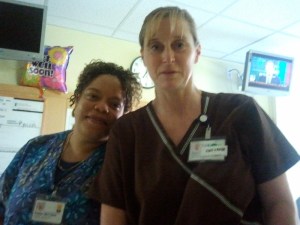
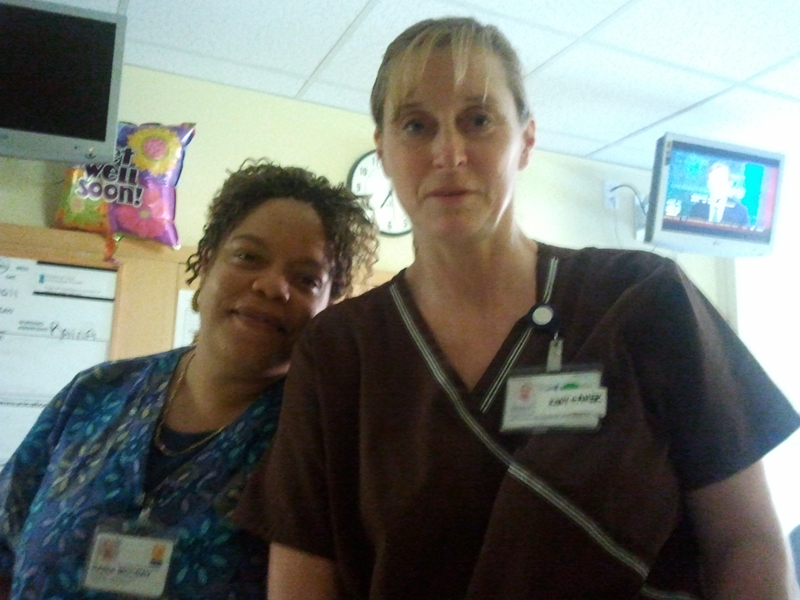
Morristown nurses... people who make a difference ( photo by Samsung mobile phone)

Een holistische praktijk. In Amerika was ik opgenomen in een high-tech ziekenhuis. Veel aandacht voor de medisch-technische kant. En dat moet ook. Maar ook kwam er elke dag iemand langs van “integrative medicine”. Zij had een breed aanbod waaruit je kon kiezen. Massage, Reiki, allerlei “alternatieve” behandelingen. En het eigen televisiekanaal van het ziekenhuis bood meditatieve muziek. Een mens is meer dan… en daar was vanuit het beleid van het ziekenhuis  aandacht – en dus ook geld – voor.

Morristown Memorial Hospital, NJ, USA

Het is niet echt leuk om van zorgverlener opeens  zorgontvanger te worden. Maar het is wel goed. Juist om het belang van humanisering ook van die kant te ervaren.
Om te ontdekken dat – tegen de druk van de bezuinigingen in – er toch ook heel goede dingen gebeuren in de gezondheidszorg en mensen daarin echt het verschil maken.
Om er straks – wie weet – zelf een betere zorgverlener van te worden 🙂

Over de foto’s:
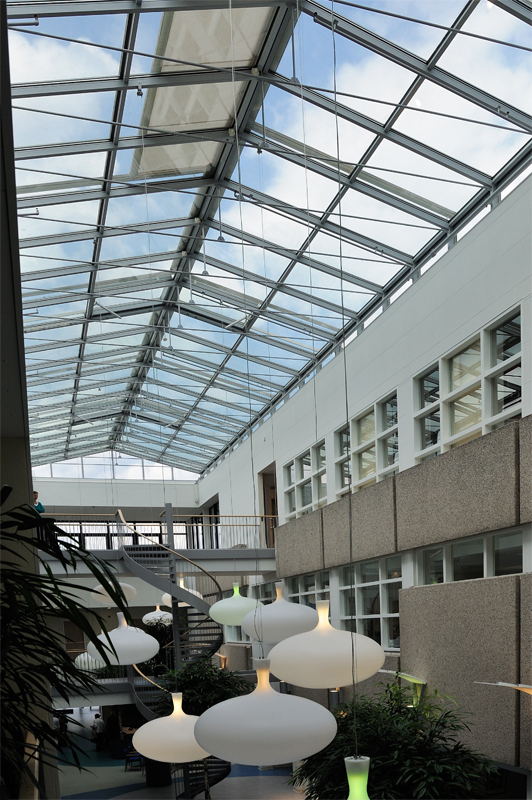
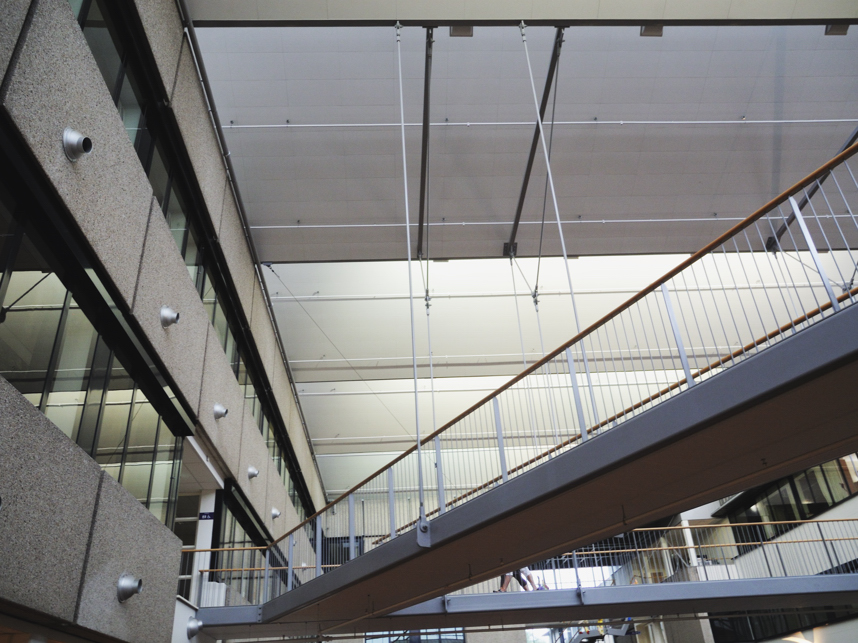
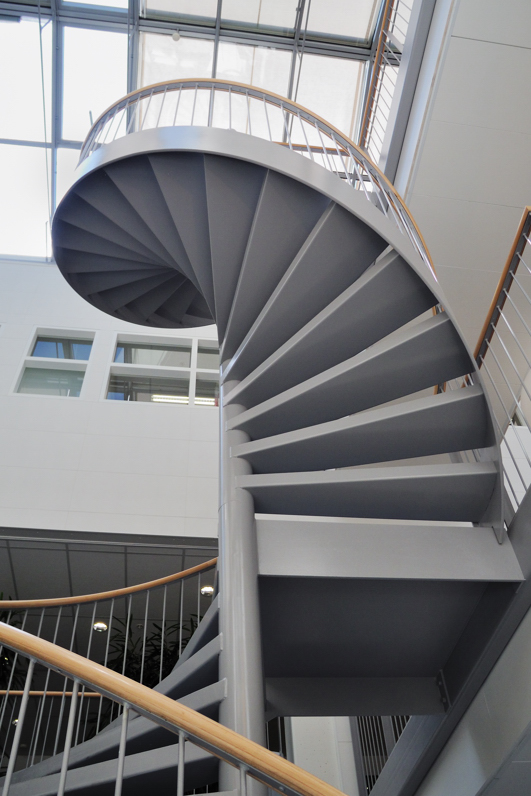
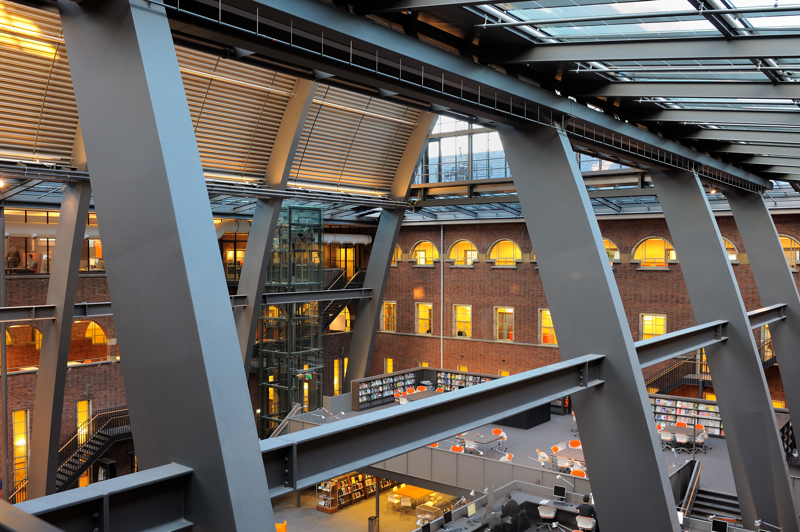
De meeste zijn genomen vanwege de ziekenhuisarchitectuur. Ook niet onbelangrijk als het gaat om humanisering: een mooie omgeving helpt ook om beter te worden.

Het gaat om mensen. Daarom staan er nu juist geen mensen op de foto’s. Omdat het ook gaat om hun privacy. Met een uitzondering voor mijn nurses uit Morristown Memorial Hospital. Zo krijgt zorg toch ook een gezicht…

Reageren?
Dan even verder naar beneden scrollen, onder de Engelse tekst.

Verder lezen?
over de conferentie
over humanisering, menslievende zorg en zorgethiek
Lief ziekenhuis: een campagne van het St.Elizabethziekenhuis in Tilburg

Two years ago I was a member of a group of spiritual care givers who were prepairing an international conference about Humanization of Health Care. A worldwide important issue.

In humanization of health care we are  focusing on the relation of care, which is at the heart of caring and  curing. Humanization is an important value and intention; it is not only  a means but also an end in itself. Care is about mutual  and vulnerable  relationships between people, i.e. caregivers and care recipients.  These relationships are reciprocal and asymmetrical at the same time.  Humanization of health care is the ongoing effort to enhance the  physical, psychological, social and spiritual well-being within the  caring relationships.
It always concerns human dignity.

Big words, needing a further reflection. But also needing to be made more specific.
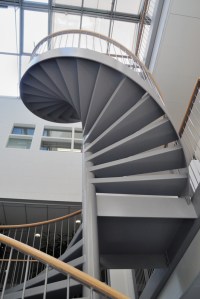
Gelre ziekenhuis Apeldoorn

In a sense they were already specific in my work as a pastoral counselor in mental  health care. Concern to look at someone in his fullness.. you’re so much more than your diagnosis. Concern for someone’s individuality: what do you need? And concern for myself as a caregiver: how can I use my own strength and vulnerability  in a way that it will be healthy for the other and for myself. Reciprocity. Asymmetry as well. However involved I used to be, there was always a moment I closed the door of my office and went home. How many times patients told me: you can go home. I have to stay here.  Very true.

The conference took place in March 2010 in Rome. I had been a member of the group preparing it. I didn’t attend the conference. I had fallen ill. Transformed from caregiver into care recipient.

In the last two years I was able to look at health care from the other side. I had to. Care recipient. Patient. In the mean time – I am who I am- I reflect on what’s happening to me. How humane has health care been for me? What are the things contributing to it? What has been really important for my well-being?

Gelre ziekenhuis Apeldoorn

Just some instances:

A few years ago it was “normal” to have to wait more than an hour in a waiting room in the hospital when you had a dr’s appointment. Now I hardly have to wait and appointments on different units in the hospital are made in a connecting way. A new and conscious policy. And the meaning is more than practical. Not only the doctor’s time is important, mine is too. I’m taken into account.

Someone who has really time for you, who is really concerned, who is really listening. Who is authentic. Someone who makes you feel more than just the piece of you that needs treatment. A relief.
I met several of them. Medical students who didn’t “have learned” yet  that they are in a higher position and can look down on the patient – or maybe they didn’t want to learn that…
A nurse who is just there. Not more, not less.

Gelre ziekenhuis Zutphen

Room for pleasure, for humor. As a caregiver and a care recipient laughing together, at no matter what. That’s when asymmetry disappears. It wasn’t my idea of a great vacation to be hospitalized in  the USA last summer. But being there I had a lot of fun, was laughing a lot, together with the nurses. It made me feel alive again.

A holistic approach. In the US I’ve been in a high tech hospital. A lot of emphasis on the  medical- technical things. Very important. But apart from that, every day someone from “integrative medicine” came by. She offered massage, Reiki, a wide range of “alternative” approaches. And one of the hospital’s tv channels was about relaxation and meditation, with appropriate music. A human being is more than… and the hospital was aware of it and did spend money on it.

It’s no great fun to transform from a caregiver into a care recipient. But it has been good. To experience the importance of humanization also from that side. To discover that – despite the economy measures – the’re still good things in health care and people making the difference. To become – maybe – a better caregiver..:)

About the photos:
Most are taken because of the architectual value of  hospitals. An important value when it comes to humanization. A nice environment makes people happier, healthier.

Health care is all about people. And that´s the reason why there aren´t hardly people in the photos. Cause it´s also about their privacy. A little exception for my nurses from Morristown Hospital. Here they are giving Health Care a face.

more reading:

about Plane Tree: a humane approach in Health Care, started in the USA

Integrative medicine as practiced in Morristown Memorial Hospital

Levenstuinen / Gardens of Life

For English: please scroll down

Op een steenworp afstand van mijn huis liggen de Levenstuinen. Een prachtige plek om te genieten van bloemen en planten, van de variatie aan tuinen, van de rust en de sfeer.

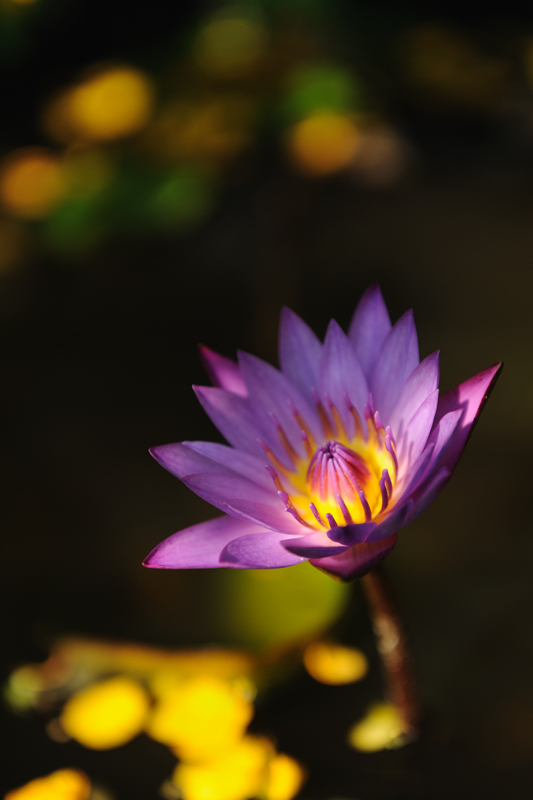
blauwe waterlelie / blue water lilly

Het mooie van de levenstuinen in Teuge is dat je er op heel verschillende manieren kunt rondwandelen. Niet alleen letterlijk… dat ook… na heel wat jaren ontdek ik steeds weer nieuwe paadjes. Maar ook figuurlijk.
Je kunt al lopend de kleuren en vormen van bloemen en planten bewonderen.
Je kunt op een van de vele bankjes neerstrijken om  zomaar wat te zitten, te lezen, of te genieten van het ontwerp van een tuin.

Fuchsia

Je kunt ook door de tuinen lopen alsof je een weg door het leven loopt.
Je begint in de tuin van de bevruchting.  Dan ga je een vrij smal, wat donker gedeelte in: je bent in de baarmoeder en het geboortekanaal. Aan het eind is er licht: de geboorte. Daar kun je rustig even de tijd nemen om het uitzicht op het omringende land te bekijken en een van de drie paden te kiezen: de jungle, het varenpad of de vallei. Telkens kom je dit soort keuzemogelijkheden tegen. Welke weg ga je in je leven? Welk pad je inslaat bepaalt wat je onderweg ziet.


De vallei lijkt een rustige weg, maar na een tijdje stuit je op een moeras. Het symboliseert een moeilijke tijd in een mensenleven. Een mooi beeld! In de joods-christelijke traditie zijn we gewend om zo’n periode als woestijn te benoemen. Maar moeras sluit veel beter aan bij ons eigen landschap. In een moeras kun je eindeloos verdwalen, je kunt vast komen te zitten. Wie trekt je eruit? Zie je door de mistvlagen over een moeras nog welke kant je op kunt? Gelukkig liggen er in Teuge vlonders over het moeras. De weg blijkt begaanbaar.

Ook in het moeras zijn mooie dingen te ontdekken. Even in the swamp some things are beautiful

Na het moeras worden je zintuigen aangesproken. In de tuin van het geluid hoor je water kletteren. In de tuin van het zien geef je je ogen de kost en in de tuin van de tast mag je sculpturen aanraken.

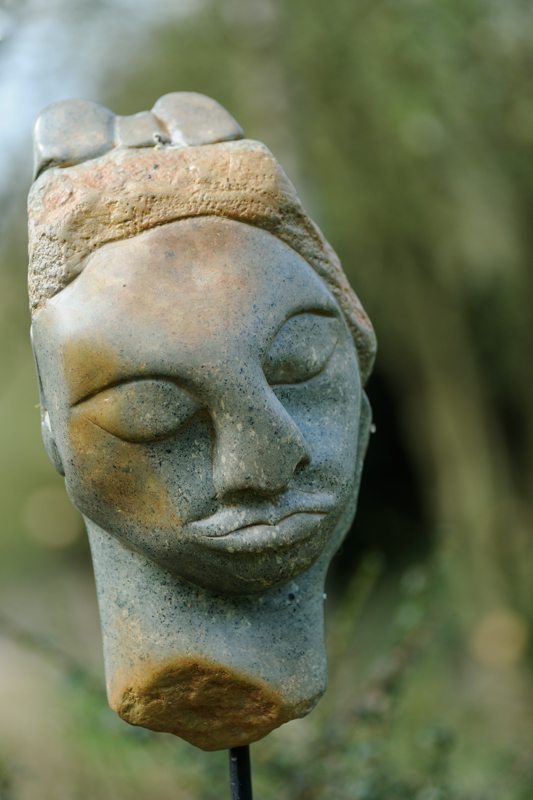
sculptuur van José Oosterveen

Hoog boven het water staat een klein kapelletje met symbolen uit westerse en oosterse levensbeschouwingen. Je kunt ook naar beneden, naar de tuin van de verdieping. Wat is er belangrijk in jouw leven? Neem je de tijd voor rust en bezinning of wil je zo snel mogelijk alles zien?
Ga je naar de treurtuin of koester je je in de zon in de vlindertuin?

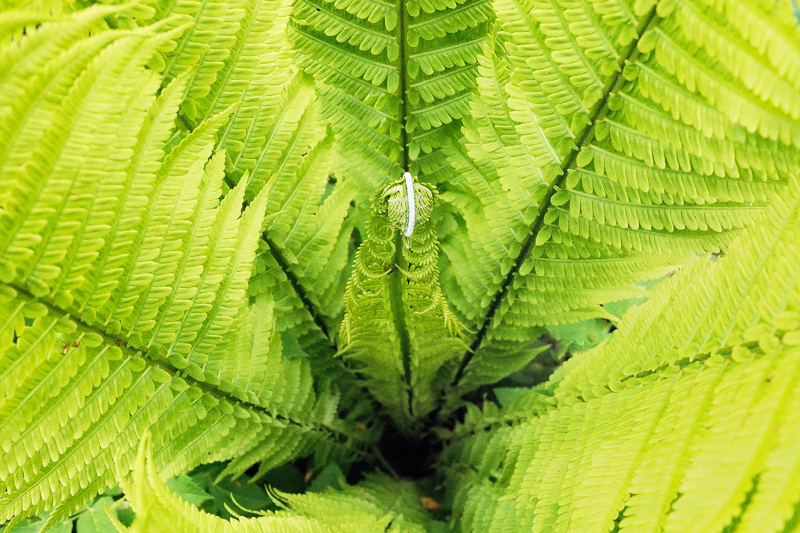
varen in de tuin van de verdieping/ fern in the garden of deepening

Als je alle tuinen hebt doorlopen kom je in de tuin van de dood. Maar, eerlijk gezegd, zo ver kom ik vaak niet. Mijn laatste tuin is meestal die van de smaak: met heerlijke bosvruchtentaart en koffie of thee.

(P.S. de header van dit blog is ook een foto uit de Levenstuinen
en de foto’s lopen door in de Engelse tekst)

Nog meer van mijn foto’s van de Levenstuinen 

Naar de site van de Levenstuinen

Within a stone’s throw of my house: the Gardens of Life.
A magnificent place to enjoy flowers and plants, the variety  of gardens, the tranquillity and ambience. It’s nice you can walk through the gardens in completely different  ways. Not only literally… after a lot of years I still discover new paths. But also figurative.
While walking you could admire colors and shapes of flowers and plants.
You could descend on one of the many benches to sit, read or enjoy the design of one of the gardens.

You might also walk in the gardens as if you are walking a path in your life.
You start in the garden of conception. You follow a  bit dark and narrow path: the womb and birth canal. On the end there is light: birth! There you can enjoy the view on the surrounding farmer’s land and can choose for different directions: the jungle, the path of ferns and the valley. On your way in the gardens there are several of these kind of crossroads. What is your path in life? The path you choose decides what you´ll see.

Hortensia blad in de herfst / Hortensia leaf in fall

The valley looks like an easy way, but after a while you´ll see a swamp. It´s a symbol of a hard time one could have in life. An appealing image! In the Jewish-Christian  tradition we’re used to call a time like that a desert. But in a western European landscape a swamp is more common than a desert.
In a swamp you easily get lost, you might get stuck. Who’s going to drag you out? And when it’s growing foggy upon the swamp could you still see which path you have to go?
Luckily in Teuge there’s a planking across the little swamp. It’s passable.

In the gardens behind the swamp it’s about your senses. In the garden of sound you hear the ristling of the water and in the garden of touch you can feel the sculptures.

High above the water is a little chapel with symbols from eastern and western religions.
You could also descend to the garden of deepening. Do you take time for some rest and reflection or do you want to see everything as quickly as possible?
Do you go to the garden of sadness or are you going to bask in the sun in the butterfly garden?

When you’ve passed all gardens you come to the garden of death. But, honestly, so far I don’t make it most of the time. Usually I end up in the garden of taste with blue berry pie and coffee or tea.

BTW: the photo in the header is also taken in the Gardens of Life.

To more photos taken by me in the gardens of life

Reflecties / Reflections

expo quarter Lissabon

for English please scroll down..

Waarom fotografeer je zo vaak reflecties?
Eerlijk gezegd, ik weet het niet.

Omdat het me echt stil laat staan? Of zitten, of liggen…?
Elke verandering van standpunt, hoe klein ook, geeft weer een heel ander beeld.
Of doet de reflectie zelfs helemaal verdwijnen.
Het is “slow” fotografie die je totale aandacht vraagt.

Gelre ziekenhuis / hospital Apeldoorn

Omdat het de “werkelijkheid” anders laat zien?
Op zijn kop, vervreemdend soms. Rimpelingen in het water veranderen het beeld. Ondersteboven zie je dingen die je eerst niet zag.
Het doet me denken aan wat de Oostenrijks-Amerikaanse psycholoog Paul Watzlawick zegt in “Het kan anders”. Wanneer je steeds op dezelfde manier naar iets ( een probleem, een situatie) kijkt, staar je je blind. Je ziet alleen maar meer van hetzelfde. Wanneer je van die manier van kijken los kunt komen en het onlogische, onverwachte toe kan laten, kun je ontdekken waar het echt om gaat.

Ik ben heel benieuwd naar jullie ideeën over reflecties….

Levenstuinen Teuge / Gardens of Life

Levenstuinen Teuge / Gardens of Life

Why do you photograph reflections so often?
Honestly, I don’t know.

Is it because it stops me, while standing, sitting or lying?
A slight change in position could cause a completely different image. It could even make it vanish.
It’s “slow” photography, requiring full attention.

Because reflection could show reality in a different way?
Topsy-turfy, alienating. Rinkles in the water change the image. Upside-down you see things you didn’t see before.
It reminds me of the Austrian-American psychologist Paul Watzlawick in his book “Change”. Looking continiously at things ( a situation, a problem) in the same way, we might get fixated. You only see more of the same.
Going beyond that and being open for the “illogical” and unexpected might lead you to the heart of the matter.

I’m looking forward to your ideas about reflections….

Gedachtenisplaatsen / Places of Remembrance in New York

Gedenken
is niet alleen stil staan bij het verleden
het is het verleden nu tot leven brengen
wat iemand betekende
wat er gebeurde
is er nu nog steeds of weer
Gedenken
is dat
wat er toen was, nu is,
meenemen naar de toekomst.

Remembrance
isn’t only lingering on the past
it’s bringing the past to life again
someone’s significance
what happened
is still there, or again.
Remembrance
is what was then, now is,
taking along to the future.

Ground Zero

Geen woorden nodig
No need for words

Universal Soldier

Monument voor de soldaten uit 22 landen die vochten in Korea.
Korean War Veterans’ Memorial : 22 countries participated in this war.

the universal soldier ( Donovan):
“His orders come from far away no more
They come from here and there
and you and me
and brothers can’t you see
this is not the way to put an end to war”. 

American Merchant Mariners' Memorial

In WO II verloren ook veel mensen op koopvaardijschepen hun leven door aanvallen van onderzeeboten. Eén van hen was Christiaan van den Assem, de oudste broer van mijn opa. Hij emigreerde in de 20-er jaren van de vorige eeuw naar de VS. Hij kwam in 1944 om in de Caraïbische Zee. Hij heeft geen graf. Dit monument is ook voor hem.

In WW II many merchant mariners lost their lives, due to an attack of an U-boat.
One of them was Christiaan van den Assem, my grandfather’s eldest brother. In the twenties of the past century he emigrated to the US. In 1944 he died in the Carribean Sea. He doesn’t have a grave. This memorial is for him as well.

Omgaan met het verleden/ Dealing with the past

Atrium Politieacademie

For English , please scroll down.

Je kunt op verschillende manieren met het verleden omgaan.
Je kunt het koesteren. Soms zelfs heimwee hebben naar vroeger. Alles moet het liefst zo blijven als het was. Gebouwen worden gerestaureerd volgens oude tekeningen. Mooi, soms zelfs heel mooi. Monumenten van het verleden. Je kunt ze bekijken, maar kun je er in leven?
Je kunt ook het verleden achter je laten. Vooruit kijken en verder gaan. Soms is dat goed. Niet alles in het verleden is immers goed geweest. Maar raak je dan ook niet je geschiedenis kwijt? De geschiedenis die je gevormd heeft tot nu toe. In onze steden en dorpen is veel gesloopt. Soms terecht. Er moet ruimte komen voor het nieuwe, voor de toekomst. Soms is het wel heel radicaal gebeurd, zonder respect voor de eigen groei van een stad of dorp.
Een uitdaging is het om  het verleden met respect te benaderen, het te wegen. Wat neem je mee, wat niet? Hoe kun je de waardevolle dingen uit het verleden zo met je meenemen dat ze je nu inspireren, dat ze je verder brengen op weg naar de toekomst.
In 2010 is in Apeldoorn de hernieuwde Politieacademie geopend. In de 30-er jaren gebouwd als kleinseminarie ( internaat en school voor jongens die priester wilden worden). De architecten ( Atelier PRO, Studio Leon Thier) hebben het oorspronkelijke gebouw herschapen in een prachtige plek waar de geschiedenis voelbaar is, maar waar ook nu met plezier gewerkt en gestudeerd kan worden!
Tijdens de Open Monumentendagen op zaterdag 10 en zondag 11 september is de Politieacademie van 10 tot 5 open voor het publiek. De moeite waard!

Menno en Frans-Jan: bedankt voor jullie gastvrijheid en de toestemming om foto’s te maken!

Naar nog meer van mijn foto’s van de politieacademie op Flickr

de kapel is nu restaurant - the former chapel is a restaurant

de sacristie is vergaderkamer -- the sacristy is meeting-room

There happen to be different ways of dealing with the past.
One could cherish the past, even idealize it. Everything has to stay the way it used to be. Buildings are restored according to old designs. Beautiful. Monuments of the past. One can look at them, but could one also live in them?
One could also leave the past behind. Look to the future and go on. Sometimes that might be ok. Not everything in the past happens to be good. By doing this, aren’t you losing your history as well?  Your history that made you the person you are now.
In our towns a lot of things are demolished. Sometimes it is justified. There must be room for new things, for the future. Sometimes it was done too radically , without respect for the development of a town.
It’s a challenge to approach the past with respect and to weigh it. What do you bring with you, what do you leave behind?  How could you take precious things from the past with you in a way they’ll inspire you on your road to the future?
In 2010 the renewed Police Academy of the Netherlands is opened. Built in the 30’s as a minor seminary of the diocese of Utrecht. The architects   ( Atelier PRO, Studio Leon Thier) reshaped the original building into a magnificent place. One could feel history, but also work and study with pleasure in a modern setting!

Menno and Frans-Jan: Thank you for your hospitality and the opportunity I got to take photos!

More of my photos of the Police Academy on Flickr 

Een onverwachte ontmoeting / An unexpected meeting….

(for english, please scroll down)

Jan is bezig met het opruimen van de schuur en het gedeelte van de tuin er om heen. Ik houd even pauze. Ik ben een foto uit ca 1928 aan het restaureren. Heel precies werk dat je niet te lang kunt volhouden. Wat zal ik doen, verder met de foto, of de keukenkast opruimen…
Dan roept Jan: moet je nu eens kijken… in een hoekje zit, tussen bladeren een pad. Een grote, bijna zwarte pad.
De oude foto en de keukenkast zijn vergeten. Ik neem een foto van boven af. Dat is niks. Je kunt de pad amper zien. Dan maar plat op de grond, op de tegels.
We kijken naar elkaar, de pad en ik. Wiens terrein is dit nu eigenlijk?
Af en toe beweegt de pad. Hij loopt een stukje verder de hoek in.
Het gaat traag. Hij heeft blijkbaar alle tijd. Ik ook.
(Sorry, pad, misschien ben je een zij. Maar telkens hij/zij schrijven is ook zo wat.)

Hoelang het geduurd heeft, weet ik niet meer. Het lijkt eindeloos. Een proces van elkaar (?) observeren. Plotseling draait de pad zich om. Hij gaat recht voor me zitten. Probeert ie me te intimideren? Ik geniet ervan, eerlijk gezegd… het is een mooie pose voor een foto.
Dan is het opeens voorbij. Ik hoor een boel geritsel, maar  zie de pad in geen velden of wegen meer.

De rest van de middag lees ik over padden. Die foto en de keukenkast…ach, dat kan morgen nog wel.

Jan is cleaning up the shed and a part of the backyard. I take a break. I’m restoring a  photo, taken around 1928. It’s a meticulous job. You can’t keep at it for a long time.  What shall I do? Go on with the photo, or clean a kitchen’s cupboard?
Then Jan calls: Come and have a look here! A toad is sitting in a corner, between leaves. A big, almost black toad.
The old photo and the kitchen’s cupboard are forgotten. I take a picture from above. No way.. one could hardly see the toad. I have to go flat on my belly, on the pavement.
We’re looking at each other, the toad and I. Who’s territory is this? Now and again the toad is moving. He walkes a bit further to the corner. He is slow. Apparently he’s got all the time of the world. Me too.
( Sorry toad, maybe you’re a she – but I hate to write he/she every time)

How long I have been lying there I don’t know. It seemed endless. A process of observing each other ? Suddenly the toad turns around. He is going to sit right in front of me. Is he intimidating me?  I enjoy it…it’s a nice pose for a photo.
Then it’s all over. I hear a lot of rustling, but the toad has completely disappeared.

That afternoon I spent reading about toads. That photo and the kitchen’s cupboard… they can wait till tomorrow.